
What is Tikka Masala?
A Deep Dive Into One of the World’s Most Beloved Indian Dishes
Tikka Masala is more than just a flavorful dish—it’s a global phenomenon that bridges cultures, cuisines, and continents. This iconic meal, known for its bold spices and creamy tomato-based sauce, has earned a permanent place on menus around the world—from bustling street vendors in Mumbai to modern restaurants in New Jersey like Arora Modern Indian Bistro.
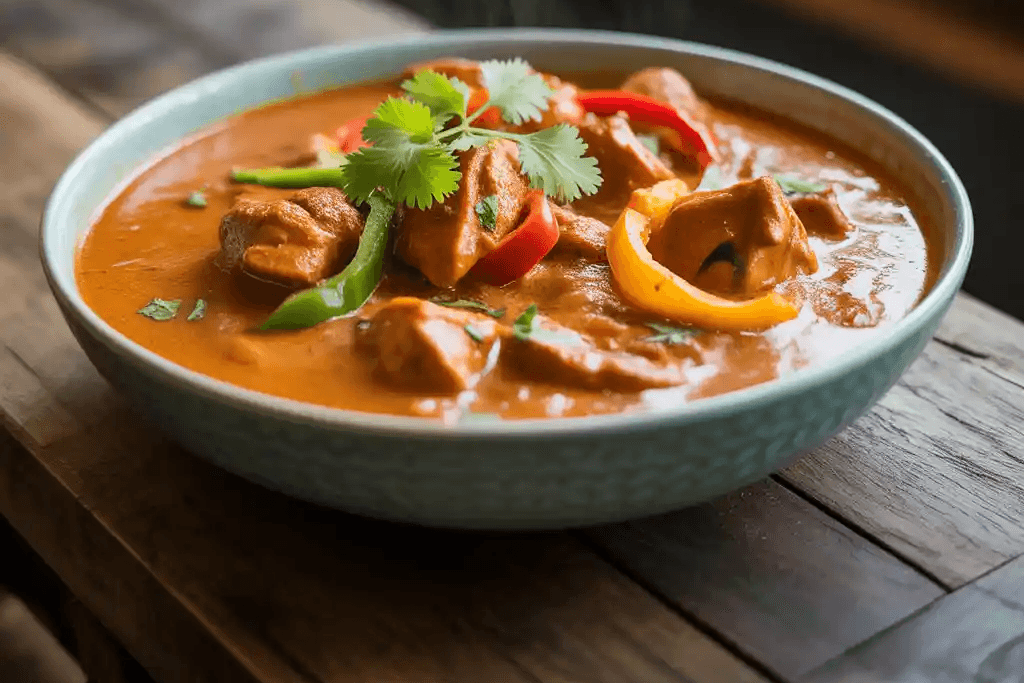
But what exactly is Tikka Masala, and why has it become such a household name?
Understanding the Basics: What is Tikka Masala?
Tikka Masala is a popular Indian-inspired dish that typically features marinated chunks of meat (usually chicken), which are grilled or roasted in a tandoor (clay oven) and then simmered in a rich, spiced, tomato-cream sauce. The dish is aromatic, tangy, and slightly smoky, offering a symphony of flavors with every bite.
The term “Tikka” comes from Persian and Urdu origins, meaning “bits” or “pieces,” often referring to boneless cuts of meat. “Masala” means “spice blend.” Together, “Tikka Masala” refers to a dish made of seasoned meat chunks cooked in a vibrant masala sauce.
Though most commonly associated with chicken, Tikka Masala can be made with lamb, paneer (Indian cottage cheese), fish, tofu, or vegetables, making it a versatile option for a wide range of dietary preferences.
A Historical Puzzle: Where Did It Come From?
The origins of Tikka Masala are still debated. Some food historians assert that it evolved from the Punjabi classic Chicken Tikka, which features yogurt-marinated grilled chicken served dry with chutneys. According to this narrative, Indian chefs living in the United Kingdom adapted the dish by adding a creamy, tomato-based sauce to appeal to British palates.
One popular story suggests that the dish was created in Glasgow, Scotland, when a customer complained that the Chicken Tikka was too dry. The chef reportedly improvised by adding a spiced tomato cream sauce, and thus, Chicken Tikka Masala was born.
Whether it is a product of Punjabi heritage or British culinary innovation, it’s clear that the dish is a fusion of Eastern spices and Western taste preferences—and that fusion has struck a chord worldwide.
Flavor Profile and Key Ingredients
What makes Tikka Masala truly stand out is its well-balanced flavor profile. It is a dish that combines savory, spicy, and creamy elements in harmony.
Core Ingredients:
- Chicken or Paneer Tikka: Marinated in yogurt, lemon juice, garlic, ginger, and a spice mix.
- Spice Blend (Masala): Includes garam masala, coriander, cumin, turmeric, paprika, and chili powder.
- Tomato Base: Crushed tomatoes or tomato puree forms the base of the sauce.
- Cream or Yogurt: Adds richness and balances the spices.
- Onion and Garlic: Essential aromatics for depth.
- Butter or Ghee: Adds a luxurious finish and enhances flavor.
Some modern versions include coconut milk as a dairy-free alternative, or cashew paste for a silkier texture.
Variations of Tikka Masala
Tikka Masala is incredibly adaptable. At establishments like Arora Modern Indian Bistro, you’ll find variations that cater to different dietary needs and flavor profiles:
- Chicken Tikka Masala: The most traditional version.
- Paneer Tikka Masala: A vegetarian alternative using Indian cottage cheese.
- Seafood Tikka Masala: With shrimp, scallops, or fish.
- Vegan Tikka Masala: Made with tofu or vegetables and coconut cream.
- Spicy or Mild Versions: Customizable spice levels for individual preferences.
This flexibility is part of what has made the dish so internationally popular.
Cultural Impact and Global Recognition
Chicken Tikka Masala has become a cultural ambassador for Indian cuisine. In the UK, it’s often referred to as a “national dish”, symbolizing multiculturalism and the deep-rooted presence of Indian food in British culture. In the United States, it frequently appears on the menus of Indian-American and fusion restaurants.
Restaurants like Arora Modern Indian Bistro are reimagining this dish with a modern twist while staying true to its roots. Using quality ingredients, expert technique, and respect for tradition, they showcase Tikka Masala as a culinary staple that appeals to both newcomers and longtime lovers of Indian food.
Nutritional Value and Dietary Considerations
Tikka Masala is high in protein, especially when prepared with lean meats like chicken breast. However, the cream and butter in the sauce can make it rich in calories and fat. Lighter versions can be made with:
- Reduced-fat yogurt
- Coconut cream
- Cashew-based cream substitutes
- Lean cuts of meat or plant-based proteins
For those watching sodium or sugar intake, homemade versions allow greater control over ingredients. Many restaurants now offer healthier adaptations of Tikka Masala, including gluten-free and dairy-free options.
How to Enjoy Tikka Masala
Tikka Masala is typically served with:
- Basmati Rice: Its long grains and subtle flavor complement the bold sauce.
- Naan or Roti: Indian flatbreads ideal for scooping up the curry.
- Cucumber Raita or Pickled Onions: Cool, tangy sides that enhance the experience.
Pairing it with a refreshing drink like a mango lassi or chai can also balance the spice and complete the meal.
10 Frequently Asked Questions (FAQs)
1. What makes Tikka Masala different from other Indian curries?
Tikka Masala is distinct for its grilled meat and creamy tomato-based sauce with a moderate spice level.
2. Is Chicken Tikka Masala spicy?
It usually has a medium spice level, but heat can be adjusted to suit personal tastes.
3. Can I get Tikka Masala without dairy?
Yes, vegan versions use coconut milk or cashew cream instead of dairy products.
4. What is the best side dish for Tikka Masala?
Naan, basmati rice, and a cooling raita are popular accompaniments.
5. Is Tikka Masala available at Arora Modern Indian Bistro?
Yes, it’s a featured dish on their menu, prepared with care and authenticity. You can view their offerings here.
6. Is Tikka Masala gluten-free?
Generally, yes—but always check with the restaurant to confirm if any thickeners or additives are used.
7. Can I make Tikka Masala at home?
Yes. Recipes are widely available, and you can use pre-made spice blends or make your own.
8. Is it okay for kids?
Many children enjoy the creamy, mildly spicy taste. Just be sure to request a mild version.
9. How is the chicken cooked in Tikka Masala?
It’s first marinated and grilled, then simmered in the sauce—giving it a unique texture and flavor.
10. Why is the sauce so orange?
The vibrant color comes from a mix of tomatoes, turmeric, and chili powder, often enhanced with cream or butter.
Final Thoughts
Tikka Masala is a culinary masterpiece that tells a story of flavor, innovation, and cultural blending. Whether you enjoy it traditionally or with a modern twist, it remains one of the most loved Indian dishes across the globe.
If you’re ready to savor an expertly made Tikka Masala, visit Arora Modern Indian Bistro—where tradition meets contemporary cuisine in every bite.